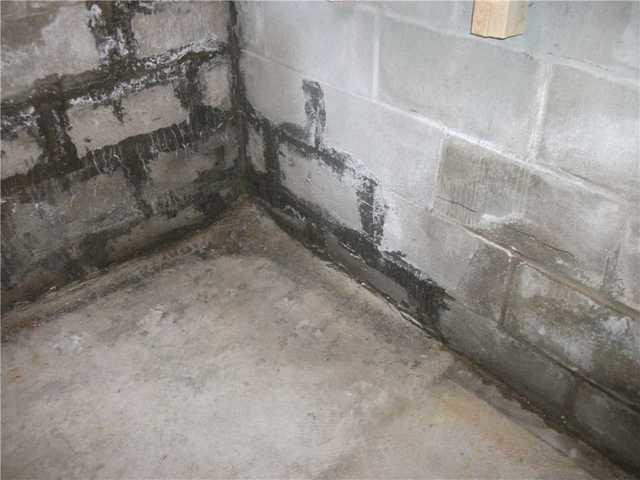
Small basement leaks often start as a nuisance—a damp patch, a trickle down a wall or a slow seep along a floor joint but left unchecked, they set in motion a chain of mechanical and material failures that can culminate in costly foundation problems. This article explains how minor basement water intrusion, combined with soil saturation, hydrostatic pressure, and material deterioration, can lead to foundation cracks, bowing walls, and settlement. It outlines practical prevention, monitoring, and repair approaches that save money and protect health. Readers will learn the root causes that convert small leaks into structural damage, the early warning signs to watch for, the most effective waterproofing and drainage strategies, and realistic repair options and cost considerations. The piece also examines long-term impacts on indoor air quality and property value, and presents comparison tables and checklists to guide homeowner decisions. Throughout, targeted terms like basement leaks, hydrostatic pressure foundation, basement waterproofing, sump pump installation, French drain basement, foundation repair cost, and mold from basement leak are integrated to support discoverability and give precise, actionable guidance. Begin by understanding the mechanisms that make a small leak become a structural threat.
What Causes Small Basement Leaks to Develop into Structural Damage?
Small basement leaks transform into structural damage when persistent moisture alters soil mechanics and degrades construction materials, producing forces and decay that exceed the foundation’s design tolerance. Repeated wetting increases soil saturation and hydrostatic pressure against walls and slabs, mobilizes soil particles causing erosion and settlement, and accelerates concrete spalling and rebar corrosion; together these effects undermine footing support and introduce movement. Recognizing these mechanisms helps homeowners prioritize interventions that reduce lateral soil loads and stop material deterioration before deformation begins. The next subsections break down the dominant drivers—hydrostatic pressure and soil erosion/poor drainage—and show how they interact to escalate a small water intrusion into a structural problem.
How Does Hydrostatic Pressure Contribute to Foundation Damage?
Hydrostatic pressure is the force exerted by saturated soil and groundwater against basement walls and slabs, and it grows as the water table rises or soil becomes saturated after repeated leaks or poor drainage. As hydrostatic pressure increases, lateral loads push inward on basement walls and force water through microcracks and joints, converting a visible leak into progressive wall displacement and widening cracks. A simple numeric intuition: saturated backfill exerts several hundred to a few thousand pounds per linear foot of wall depending on depth, so even moderately increased saturation can change equilibrium and cause bowing or horizontal cracking. Understanding pressure mechanics clarifies why reducing groundwater and installing drainage systems are primary defenses, which is the focus of the following section on soil erosion and poor drainage.
What Role Does Soil Erosion and Poor Drainage Play in Basement Water Intrusion?
Soil erosion and poor surface/subsurface drainage concentrate water near footings and remove lateral support, allowing footings and slabs to settle unevenly and exposing foundations to localized failures. Grading that funnels runoff toward the house, clogged gutters, or downspouts dumping at the foundation line accelerate erosion and saturate shallow soils; the effect differs by soil type, with sandy soils washing out more easily and clay shifting and heaving with moisture cycles. Homeowner checks include confirming 6–12 inches of clear downhill grade, extending downspouts, and inspecting for soft or washed-out areas near foundation corners. Addressing surface runoff is often the most cost-effective first step and directly reduces the hydrostatic loads discussed previously.
What Are the Early Signs of Structural Damage from Basement Leaks?
Early detection of structural damage from basement leaks hinges on spotting progressive physical changes and persistent moisture indicators before large repairs are required. Visible foundation cracks, wall movement (bowing or leaning), uneven floors, doors and windows that stick, recurring dampness, efflorescence, and mold are the primary red flags that suggest water intrusion is affecting structural integrity. Identifying these signs promptly allows homeowners to triage, monitor progression, and engage contractors for timely fixes; the next subsections explain how to differentiate crack types and evaluate bowing, floor movement, and biological indicators like mold.
How to Identify Foundation Cracks and Their Severity?
Foundation cracks range from hairline shrinkage cracks to horizontal shear cracks that indicate structural distress; orientation, width, and progression are the most important severity cues. Vertical, thin hairline cracks often reflect shrinkage or thermal movement and can be monitored, while horizontal cracks or stair-step cracks in block walls suggest lateral soil pressure or differential settlement and warrant professional assessment. Measure width with a ruler or mark anchor points and photograph over weeks to detect active widening; cracks wider than 1/8 inch, those that grow, or those accompanied by wall movement are more likely structural. Knowing crack types directs appropriate responses, from sealing and drainage fixes to reinforcement techniques described later.
What Are the Indicators of Bowing Walls, Uneven Floors, and Mold Growth?
Bowing or bulging walls, floors that slope noticeably, and doors or windows that no longer latch are signs that lateral soil pressure or settlement is displacing structural members; these conditions pose increasing risk as they progress. Detect wall bowing by measuring deviation from plumb with a long level or plumb line; movement greater than 1.5 inches over an 8-foot span often represents significant pressure requiring remediation. Uneven floors can be tracked using a level or by measuring threshold gaps and comparing to earlier records to reveal ongoing settlement. Mold growth commonly appears within 24–48 hours of sustained moisture, producing musty odors and discoloration; when mold coincides with structural movement, both remediation and moisture-control measures are necessary to protect health and prevent recurrence.
How Can Basement Structural Problems Be Prevented Effectively?
Preventing basement structural problems combines moisture control (waterproofing and drainage) with routine inspection and maintenance to stop water from changing soil pressures or degrading materials. Effective prevention reduces hydrostatic pressure, diverts surface runoff, seals water entry points, and uses mechanical systems like sump pumps to remove subsurface water before it stresses foundations. The following subsections compare waterproofing approaches and explain how drainage systems and sump pumps function as frontline defenses against progressive damage. A comparative table follows to help choose methods by cost, effectiveness, and disruption. Different waterproofing and drainage strategies vary by cost, invasiveness, and the soil/drainage conditions they address. The table below compares common approaches so homeowners can weigh trade-offs.
| Approach | Characteristic | Typical Strength | Typical Disruption |
|---|---|---|---|
| Interior waterproofing (drain tile + sump) | Captures water at the footing level from inside | High for managing groundwater and hydrostatic relief | Moderate — interior excavation required |
| Exterior excavation + membrane | Stops water before it reaches foundation wall | Very high for long-term protection | High — full exterior excavation |
| Cementitious coatings / sealants | Surface barrier on walls and floors | Low–moderate for hairline leaks | Low — interior application |
| French drain (exterior) | Diverts surface/subsurface flow away from foundation | High for surface runoff and shallow saturation | Moderate — trenching required |
This comparison shows that interior drainage and exterior membranes are the most robust against hydrostatic pressure, while coatings and sealants have limited effectiveness without drainage improvements. The next section explains sump pump roles and maintenance to complement these waterproofing choices.
- Address surface grading and extend downspouts to move runoff away from foundations.
- Install or maintain interior drain tile systems tied to a properly sized sump pump.
- Use exterior excavation and membrane when soils, previous failures, or severe hydrostatic pressure require full protection.
Taken together, these steps reduce the forces that turn small leaks into structural problems and set the stage for appropriate repair if movement is already present.
What Basement Waterproofing Methods Protect Against Water Damage?
Basement waterproofing ranges from surface sealants and cementitious coatings to interior drain tiles paired with sump pumps, and full exterior excavation with membranes; the best choice depends on leak source, soil conditions, and budget. Interior systems (drain tile and sump) are effective at relieving hydrostatic pressure by intercepting water at the footing and channeling it to a pump, whereas exterior membranes prevent water from entering the wall but require excavation and are more disruptive. Coatings and sealants can reduce vapor migration and stop minor seepage but do little against sustained hydrostatic loads. Maintenance and expected lifespans vary: membranes and interior drainage last decades with proper installation, while coatings require periodic reapplication; the next subsection details drainage systems and pump selection to translate these choices into practical protection.
How Do Drainage Systems and Sump Pumps Prevent Structural Issues?
Drainage systems and sump pumps reduce lateral soil pressure by capturing and removing groundwater before it builds up against foundation walls, thereby limiting the hydrostatic forces that cause bowing and cracks. French drains and perforated drain tiles collect water at the footing elevation and route it to a sump basin where a pump discharges it away from the house; proper slope, gravel bedding, and filter fabric ensure longevity and prevent clogging. Sump pump sizing depends on expected inflow—common residential pumps move hundreds to thousands of gallons per hour—and homeowners should pair pumps with battery backups or alarm systems to prevent failures during storms. Regular testing, float-checks, and annual cleaning of basins and discharge lines keep systems operational and directly prevent the pressure-driven damage discussed earlier.
What Are the Repair Options and Costs for Basement Foundation Leaks?
Repair options for basement foundation leaks span from simple crack injections and interior drainage retrofits to carbon-fiber reinforcement, wall anchors, and full underpinning for severe settlement; cost varies with scope, accessibility, and soil conditions. A concise cost-range summary helps homeowners set expectations: minor crack injections and sealants are the lowest-cost immediate fixes, interior drainage and sump installation are moderate investments, and underpinning or full exterior excavation are the most costly long-term solutions. The following table compares common repair techniques, typical cost ranges, and time to complete to facilitate informed decisions about urgency and investment.
| Repair Technique | Typical Use Case | Typical Cost Range | Time to Complete |
|---|---|---|---|
| Epoxy/urethane injection | Sealing non-moving cracks and stopping leaks | $300–$1,000 per crack | 1–2 days |
| Carbon-fiber reinforcement | Stabilizing bowed walls without excavation | $800–$3,000 per wall section | 1–3 days |
| Wall anchors / tiebacks | Lateral pressure correction for bowed walls | $2,000–$8,000 per wall | Several days to 1 week |
| Underpinning / helical piers | Significant settlement correction | $5,000–$25,000+ depending on extent | Several days to weeks |
This table illustrates how invasiveness and cost rise with the severity of structural problems; immediate small repairs are relatively inexpensive, while long-term stabilization commands larger budgets. The next subsections outline repair mechanics and cost drivers so homeowners can triage and prioritize.
 Which Techniques Are Used for Foundation Crack Repair and Wall Reinforcement?
Crack repair and wall reinforcement techniques are selected based on crack activity, wall movement, and underlying causes: epoxy or polyurethane injections seal and restore water resistance for non-moving cracks, carbon-fiber strips and plates provide tensile reinforcement for flexing walls, and wall anchors or helical tiebacks resist lateral soil pressure by transferring loads to stable soil layers. Epoxy restores structural continuity and is durable for static cracks, while polyurethane is more flexible and better at sealing active leaks. For walls showing progressive bowing, anchors and tiebacks offer adjustable resistance; underpinning and pier systems address settlement by relocating loads to competent strata. Choosing the right technique relies on diagnosing movement and coordinating drainage fixes to address the water driver discussed earlier.
What Is the Typical Cost Range for Repairing Water-Damaged Foundations?
Repair costs depend on leak severity, soil conditions, access, structural involvement, and local contractor rates; small crack injections are typically low-cost, interior drainage and sump systems are mid-range investments, and full underpinning or exterior excavation can be expensive. Factors that raise cost include the need for structural shoring, extensive excavation, depth of underpinning, and remediation of mold or interior finishes after repair. Documenting damage with photos, measurements, and contractor estimates helps homeowners compare options and explore insurance or disclosure requirements when selling. Thoughtful early action often shifts homeowners from high-cost stabilization toward lower-cost drainage and sealing solutions, reinforcing the prevention strategies covered previously.
What Are the Long-Term Impacts of Untreated Basement Leaks on Health and Property Value?
Untreated basement leaks progressively undermine building structure and indoor environmental quality, leading to mold growth, wood rot, corroded reinforcement, and declining property value that compound repair costs over time. Chronic moisture creates persistent mold and damp conditions that reduce indoor air quality and can trigger respiratory and allergic symptoms, particularly in vulnerable populations; simultaneously, structural deterioration reduces usable space, triggers inspection red flags, and decreases market appeal. The final subsections summarize health impacts and quantify how leaks affect resale potential to help homeowners weigh short-term costs against long-term losses. Before the table, note the following: this table summarizes typical long-term impacts of untreated basement leaks on health and property-related outcomes.
| Entity | Impact Type | Typical Consequence / Metric |
|---|---|---|
| Mold growth | Health | Increased allergy/asthma symptoms; colonization within 24–48 hours |
| Structural decay | Safety/Integrity | Progressive wall bowing, foundation cracking, increased repair cost over time |
| Property value | Financial | Reduced offers, longer time-on-market, repair escrow demands |
| Indoor air quality | Comfort | Chronic musty odor and elevated spore counts |
This summary highlights that health, safety, and financial consequences are interlinked: moisture feeds mold and structural decay, which in turn reduce property value and buyer confidence. The next subsections explain mold timelines and value impacts in more detail.
How Does Mold Growth Affect Indoor Air Quality and Health Risks?
Mold colonizes damp materials quickly—often within 24–48 hours under favorable temperature and moisture—producing spores and volatile compounds that degrade indoor air quality and can provoke respiratory and allergic reactions. Symptoms commonly include nasal congestion, coughing, wheeze, throat irritation, and exacerbation of asthma, with vulnerable groups (children, elderly, immunocompromised) at higher risk. Remediation thresholds depend on extent and species suspicion; small areas may be addressed by targeted cleanup and moisture control, while extensive contamination or HVAC involvement requires professional remediation. Preventing recurrence relies on eliminating the moisture source through the drainage and waterproofing measures discussed earlier.
In What Ways Do Basement Leaks Decrease Property Value and Resale Potential?
Basement leaks lower property value directly through the cost of repairs and indirectly by signaling maintenance neglect to buyers and appraisers, often resulting in reduced offers, required repair escrow, or longer market time. Inspections commonly flag water intrusion, and unresolved or improperly documented repairs create negotiation leverage for buyers to subtract estimates for remediation or demand concessions. Documented professional repairs and clear evidence of effective waterproofing systems mitigate value loss, whereas visible structural issues and recurring moisture reduce buyer confidence and marketability. For sellers, investing in proven drainage fixes and obtaining post-repair documentation typically yields better net proceeds than attempting minimal cosmetic repairs.
- Inspection and monitoring: Conduct regular checks for leaks, document changes, and act before movement progresses.
- Moisture control: Prioritize grading, gutters, and drainage before pursuing cosmetic fixes.
- Professional assessment: Use structural evaluation when cracks widen, walls bow, or floors become uneven.
Adopting these practices halts the cascading effects of small leaks and preserves both health and property value, completing the chain of prevention and repair strategies outlined above.