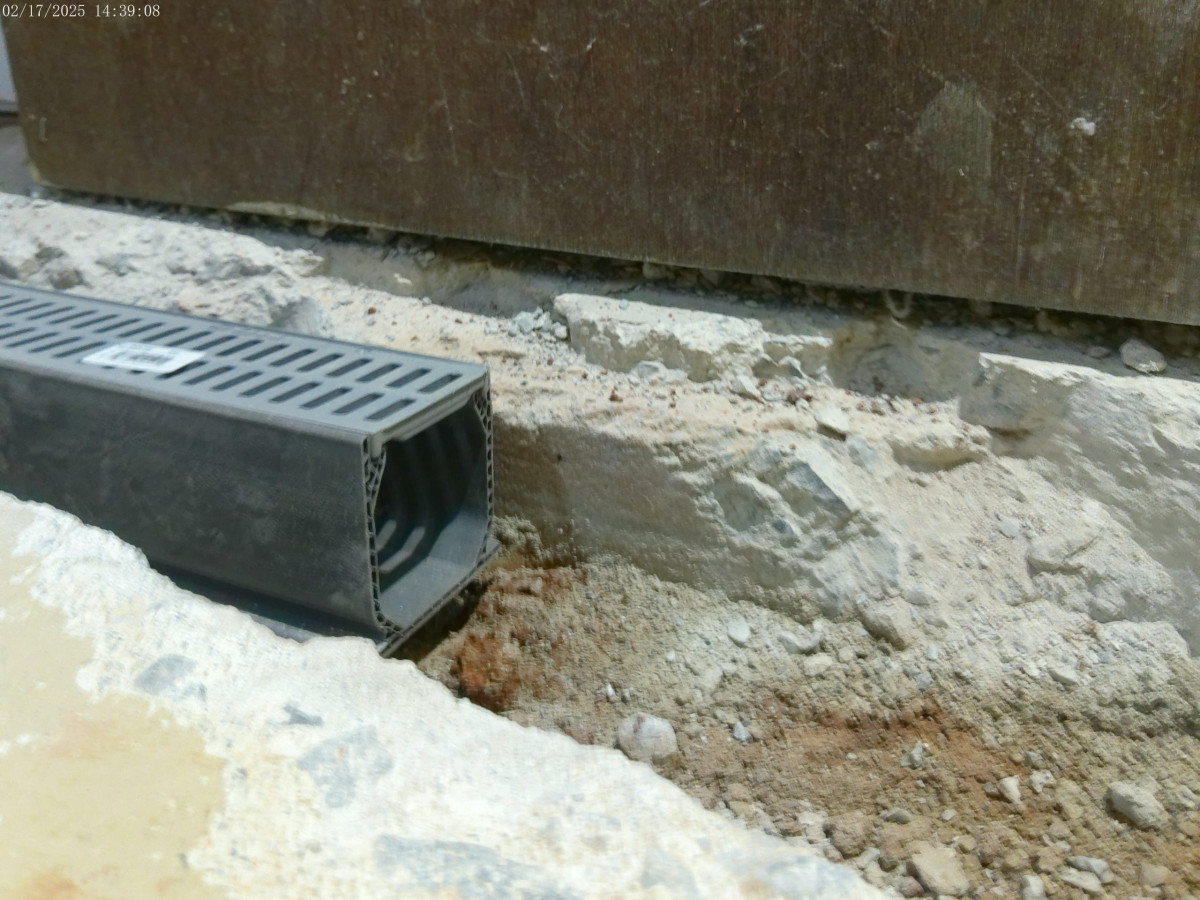
You’ve probably considered a DIY approach to fixing that pesky basement drainage issue, right? It seems simple enough, but often these home remedies fall short, leaving you with the same problem, or worse, new ones. From underestimating the complexity of water issues to using unsuitable materials and techniques, the reasons for failure are varied. But what exactly are the common missteps, and how do they impact your home in the long run? Let’s explore this further and uncover why it might be best to leave this job to the professionals.
Key Takeaways
- DIY drainage solutions often fail due to inadequate planning and improper installation.
- Underestimating the severity of water issues can result in ineffective drainage designs.
- Use of substandard materials in DIY projects can compromise the system’s integrity.
- DIY drainage solutions may overlook critical issues, leading to repeated repairs and long-term costs.
- Lacking professional expertise, DIY solutions may not provide a comprehensive drainage system, leaving basements vulnerable to water damage.
Understanding Basement Drainage Basics
 Often, homeowners overlook the importance of proper basement drainage. You might be focused on the aesthetics of your home, but don’t underestimate the value of a well-drained basement.
It’s your first line of defense against water damage, a notorious problem that can cause costly repairs.
Here’s what you need to know: water always flows downhill and seeks the path of least resistance. It’s physics.
Now, consider your basement. It’s underground, right? That’s below the natural water line. When it rains, water in the soil can seep into your basement if there’s an easy path. That’s where proper drainage comes in.
You’ve got a few options. Interior drainage systems direct water that’s already made it into your basement back outside, while exterior systems stop water before it gets in.
You could also opt for a sump pump, which collects water in a basin and pumps it out and away from your home.
Common DIY Drainage Mistakes
Diving headfirst into a DIY basement drainage project can lead to common, yet easily avoidable mistakes.
It’s not as simple as it seems, and more often than not, you’ll find yourself in a soggy situation.
The most common mistake you might make is improper planning.
You might underestimate the severity of the water problem or overlook the need for an all-encompassing drainage design.
It’s not just about digging a trench and laying pipes; it’s about creating a system that effectively channels water away from your basement.
Another issue lies in the choice of materials.
Not all materials are created equal and using subpar supplies can lead to a failing drainage system.
The last thing you want is a collapsed pipe under your basement floor.
Finally, incorrect installation is a common pitfall.
Just because you’ve got the right materials and a plan doesn’t mean you can execute it flawlessly.
In summary, here are the three key mistakes to avoid:
- Inadequate planning
- Use of substandard materials
- Improper installation
The Dangers of Improper Drainage
A faulty drainage system isn’t just an inconvenience; it’s a ticking time-bomb. The dangers lurking behind improper drainage can escalate from minor nuisances to major catastrophes if left unchecked. You may think a little water in your basement isn’t a big deal, but it’s more hazardous than you realize.
Consistent moisture can lead to mold growth, which poses health risks for you and your family. Mold spores can cause allergies, respiratory issues, and in severe cases, neurological problems.
But, that’s not all. Over time, water seepage can damage your home’s foundation. This isn’t just about unsightly cracks or damp walls. It’s about the structural integrity of your home being compromised.
Water can also ruin your personal belongings stored in the basement. Family heirlooms, cherished photographs, important documents – water damage spares nothing.
And let’s not forget the financial implications. Dealing with the aftermath of water damage can be a costly affair.
Why Professional Installation Matters
With all the potential hazards of improper drainage fresh in your mind, it’s easy to see why you shouldn’t take a do-it-yourself approach to installing a basement drainage system.
Professional installation matters, and here’s why:
- Expertise: Professionals have the training and experience to correctly install drainage systems. They understand the nuances of different materials, the impacts of your home’s construction, and the local building codes. They’ll get it right the first time, saving you from costly mistakes.
- Tools and Equipment: You mightn’t have the necessary tools for the job, but professionals do. They’re equipped with high-quality, specialized equipment that guarantees a secure and effective installation.
- Guarantee: When a professional installs your drainage system, they’ll stand behind their work. If problems arise later, they’ll be there to fix them. A DIY project doesn’t come with this security.
In short, professional installation saves you from the hazards and headaches of DIY drainage solutions.
You’ll have peace of mind knowing your basement is protected against potential water damage. It’s a worthy investment in the protection of your home.
Comparing Costs: DIY Vs Professional
When evaluating drainage solutions for your basement, you’ll inevitably weigh the costs of a DIY project against hiring a professional. On the surface, it may seem like DIY will save you a significant amount of money. There’s no labor cost and you’re in control of the materials purchased.
However, there’s more to take into account. The initial cost of professional services might seem high, but remember, these experts come with years of experience, specialized tools, and a wealth of knowledge. They’re able to accurately assess the problem and offer a thorough solution, reducing the likelihood of future issues.
On the other hand, a DIY project, despite its lower initial cost, may end up costing you more in the long run. If you’re not well-versed in basement drainage, you may miss critical signs of a bigger issue, leading to a quick fix that doesn’t solve the root problem.
This could result in repeated repairs, adding to your total expense.
How to Choose the Right Solution
Choosing the right drainage solution for your basement is a critical decision.
It’s not merely about fixing a current problem; it’s about preventing future issues. Here’s a simple guide to help you make the right choice:
- Understand the Problem: Before you go solution hunting, you need to understand what’s causing the issue.
Water can seep into your basement through floor cracks, wall cracks, window wells, or even due to poor soil grading. Hire a professional to diagnose the issue if you can’t identify the source.
- Consider the Scale: If it’s a minor issue, a DIY solution might work, like sealing cracks or improving your yard’s grading.
However, if it’s a major issue, such as a high water table or serious structural damage, you’ll need a professional solution.
- Budget and Long-term Impact: Always consider the cost and the long-term impact of the solution.
A cheap fix might save you money now, but could cost you more in the long run if it doesn’t hold up.
Don’t rush your decision. Take your time, do your research, and make an informed choice.
Your home’s health depends on it.
So, you’ve seen why DIY basement drainage can easily go awry. It’s not just about cost, it’s about the risks poor drainage poses to your home’s integrity. Sure, you might save some money upfront, but the potential damage and subsequent repairs could break the bank. Trust professionals who understand the nuances of basement drainage. They’ll choose the right solution, ensuring the work’s done right the first time, saving you time, money, and headaches.