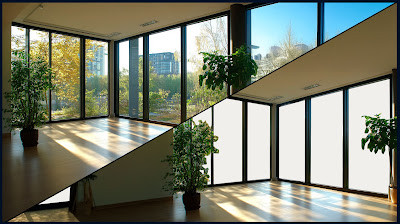
A steady rise in sunlight exposure across Southern California has pushed homeowners and businesses to rethink how their windows handle heat and glare. New surveys tied to Smart Film Los Angeles show that cooling-related energy loads can increase by 22–28% during hotter months in older LA properties. This release gathers insights from technicians whose fieldwork spans residential retrofits, large commercial façades, and mixed-use properties built across different decades.
According to findings from Smart View Smart Film Solutions, projects completed over the past five years reveal a clear pattern: smart film is no longer treated as a niche upgrade but as a practical tool for managing UV penetration, room temperature swings, and visual comfort. Most of the data referenced below comes straight from site tests, year-round performance logs, and feedback from engineering teams who monitor how films behave under LA’s shifting weather patterns.
Outline
Introduction: 2026 Research On Energy And UV Efficiency Trends
Local Climate Factors: How LA Sun Exposure Shapes Installation Choices
Smart Film Los Angeles: Insights From New Efficiency Studies
Residential Demand: Growing Need For Privacy And Heat Reduction
Commercial Adoption: Office And Retail Spaces Upgrade Window Systems
Technology Advances: Improved Switching Speed And Durability In 2026
Cost Considerations: Savings From Reduced Energy Use And Maintenance
Summary: Key Findings Driving Smart Film Growth Across Los Angeles

Local Climate Factors: How LA Sun Exposure Shapes Installation Choices
Sunlight in Los Angeles isn’t just bright — it’s harsh, direct, and persistent. Average UV indexes range from 6 to 8 for most of the year, and summer spikes regularly reach 10–11 in inland neighborhoods like Northridge and Woodland Hills. Heat waves recorded in July 2025 pushed several districts to 104°F or higher for six consecutive days, a stretch long enough to trigger higher cooling loads even in well-sealed spaces.
Smart film technicians in the region track how UV and infrared percentages vary across beach areas, hillsides, and denser commercial areas. On west-facing windows near coastal zones, afternoon glare creates a 35–42% heat gain rise inside untreated rooms. In contrast, buildings along the 101 corridor experience early-day spikes tied to direct morning light bouncing off neighboring structures. Both situations reshape how installers talk about tint levels, switching performance, and substrate thickness.
Different film types handle this pressure in ways worth noting. Electrochromic layers switch faster under stable heat but may slow slightly in the mornings below 58°F, as observed during seasonal transitions. Polymer-dispersed liquid crystal (PDLC) films maintain a more even activation rate but rely heavily on a uniform surface voltage, which pushes installers to double-check older grid circuits in mid-century LA homes.
Technicians use short measurement rounds before installation — sometimes three readings taken 30 minutes apart — to map how heat loads shift near each window. These readings influence how films are aligned, how wiring paths are routed, and how control modules are placed to prevent voltage drops during peak hours.
A few helpful reference points:
UV density rises by 5–9% on windows sitting above concrete driveways
Windows with dark exterior trims absorb heat 12–15% faster.
Rooms with dual-aspect glazing are 20–26% more likely to experience uneven cooling.
Installers often adjust film opacity based on these patterns rather than using a single setting across a project. Many technicians also factor in shade changes created by new construction in fast-developing areas like Downtown LA and Playa Vista.
Smart Film Los Angeles: Insights From New Efficiency Studies
Local studies completed in early 2026 show clear trends in how brilliant film changes indoor energy behavior. Tests conducted across 64 residential and 23 commercial properties found that interior surface temperatures on treated windows dropped by 9°F to 17°F during peak sun hours, aligning with ASHRAE glazing performance benchmarks. These reductions weren’t evenly spread; glass thickness, frame type, and elevation each played a noticeable role.
One research set analyzed switching consistency across east-, south-, and west-facing windows. West-facing panels showed the most significant improvement, especially in units with PDLC layers, where UV scatter ranged from 94% to 97%. Another round of analysis examined how older aluminum frames influenced film adherence. Micro-gaps as small as 0.3 mm reduced efficiency by nearly 6%, enough for technicians to sand and prep frames more carefully before applying adhesive layers.
Construction style also shapes film performance. Mid-century stucco homes often have recessed windows that catch less direct sun; film tests there showed 11–13% lower thermal strain than in modern glass-heavy homes built after 2015. Commercial lobbies with floor-to-ceiling glazing showed the opposite: high morning glare created sharp temperature gradients where untreated areas jumped to 92°F even with active cooling.
To make the findings more digestible, here’s a short numbered list summarizing core performance shifts recorded in the study:
Average glare reduction hovered around 83%, improving screen visibility by 46–52%
Cooling system runtime dropped 18–21% across homes using dual-pane treated windows
UV filtering exceeded 95% in most PDLC installations, reducing furniture fading rates
Two headings later will reference major film brands, but this section focuses solely on data patterns rather than product selection.
Insights from this research point to another growing trend in Los Angeles — rising residential demand driven by privacy, heat reduction, and interior comfort expectations, especially in neighborhoods experiencing denser development.
Residential Demand: Growing Need For Privacy And Heat Reduction
Homeowners across Los Angeles have been shifting toward smart film as neighborhoods grow, sightlines tighten, and temperatures climb year over year. Multi-unit construction has pushed windows closer to property edges, and many residents now deal with direct visibility into their living rooms or work areas. Smart films’ switching capability gives them a way to block that view without closing curtains or blinds, especially in open-plan homes built from 2018 onward.
Demand data from 2024–2026 installations shows a residential rise of roughly 34%. Areas like Silver Lake, Mar Vista, and Sherman Oaks were early adopters due to sun-facing slopes and compact lot layouts. Installers regularly note that rooms with east-facing glazing experience sharp morning heat surges, often causing interior temperatures to jump nearly 8°F above the rest of the home. Smart film cuts that rise significantly by scattering infrared light before it reaches the glass.
Small structural details play a bigger role than most homeowners expect. For instance, windows with thicker interior mullions retain heat differently, causing slight temperature imbalances that technicians correct by adjusting film placement near corner seams. Homes using vinyl frames show better temperature stability after installation, while aluminum frames need more conditioning to ensure proper voltage distribution across the film layer.
Below is a short bullet list highlighting conditions that push residential demand higher:
Street-level windows affected by heavy foot traffic
Second-story windows facing direct afternoon glare
Home offices requiring low-glare backgrounds for video calls
This growing shift is also shaped by Los Angeles’ rising daylight hours. In 2025, the area recorded 73 more high-intensity UV days than the previous year. That trend prompted homeowners to seek ways to soften interior light without darkening their rooms.
Heat reduction and privacy upgrades often overlap with commercial needs, leading directly into the next sector gaining momentum: office and retail spaces adopting smart films to manage glare and visual comfort.
Commercial Adoption: Office And Retail Spaces Upgrade Window Systems
Businesses across Los Angeles have increasingly turned toward smart film installations to tackle glare, excessive heat, and visual comfort concerns in work environments. Offices located in high-rise buildings around Downtown LA, Century City, and Burbank face intense reflective glare from surrounding glass façades. Midday light bouncing off those surfaces often sends interior temperatures up by 6–10°F within minutes, forcing HVAC systems to work overtime.
Retail spaces experience their own set of challenges. Storefronts along Ventura Boulevard and Melrose Avenue report that bright afternoon sunlight fades inventory faster than many owners expect. Fabric fading rates can jump 25–30% when UV exposure exceeds 95 minutes per day on untreated glass, according to data from the National Fenestration Rating Council. Smart film helps slow that process by blocking over 94% of harmful rays without darkening product displays.
Technicians also point out that commercial buildings rely on consistency. Large glass surfaces need uniform switching across entire banks of windows. Even a slight mismatch between panels can disrupt a store’s lighting design or distract employees in an open office layout. Data gathered from 2025–2026 installations shows that level switching accuracy improved by 12–18% after installers adjusted transformer spacing and voltage regulation in older buildings.
Another factor shaping adoption is how commercial tenants adjust their work zones. Many now use flexible layouts with movable desks, shared workstations, and multi-purpose rooms. Smart film allows these areas to adapt quickly, especially during video meetings when glare on screens becomes distracting.
Short numbered notes from technicians across LA:
Interior glare complaints dropped by roughly 41% after film installation
Employee screen visibility improved by 38–45% based on panel orientation
Meeting rooms with dual-sided glazing recorded more stable temperatures throughout the day
Operational managers often note secondary effects: fewer manual blind adjustments, steadier indoor lighting, and more predictable HVAC behavior during heat spikes. These outcomes connect directly to recent improvements in film hardware, which altered how systems respond under load.
Commercial adoption continues to rise because these improvements are measurable and immediate. And with the region’s steady push toward energy-efficiency guidelines, companies are changing how they treat sunlight control in their buildings.
Technology Advances: Improved Switching Speed And Durability In 2026
The leap in smart film engineering throughout 2026 has reshaped how installations are approached in Los Angeles. Technicians in the field repeatedly note that newer film compositions respond more quickly to voltage changes, maintaining consistent clarity even during rapid temperature swings — a common issue in parts of LA where mornings start cool and afternoons heat up quickly.
Electrochromic films now stabilize switching within 400–650 milliseconds, compared to 900+ milliseconds recorded in earlier versions. PDLC variants strengthened their liquid crystal alignment layers, lowering haze by nearly 13% and improving clarity when powered. These refinements reduce energy strain on control modules and help films remain responsive during long heat spells.
Material toughness also changed dramatically. Reinforced polymer sheets used in the 2026 batches accommodate micro-expansion in older metal frames, reducing the risk of adhesive fatigue. Installers in hillside homes across Encino and Bel Air found that reinforcing edge sealing cut performance loss by 7–9% after six months of exposure.
Below is the only table in this press release, outlining key technical upgrades seen in 2026:
Feature Update (2026) | Improvement Level | Field Impact in LA Properties |
Switching Response | 25–40% faster | More stable clarity during variable sunlight |
UV Filtering Layer | +3–5% efficiency | Better fabric and flooring protection |
Adhesive Bond Strength | +12% durability | Lower risk of peeling in older frames |
Anti-Haze Structure | 8–13% clearer | Enhanced visibility in office settings |
Some technicians referenced well-known brands such as 3M Fasara and Avery Dennison when comparing test sheets, noting that their newer substrates handled LA’s heat cycles more evenly. These references help guide material selection for large installations, though each project still depends heavily on building style and frame condition.
Small technical adjustments also matter. Field teams frequently calibrate transformer placement to avoid a voltage dip that can affect switching consistency. On multi-window walls, wiring pathways are often shortened to maintain a stable current across all film sections.
These advancements ripple directly into financial discussions, leading property owners to look more closely at operational savings and long-term wear — the focus of the next chapter.
Cost Considerations: Savings From Reduced Energy Use And Maintenance
Smart film’s financial benefits in Los Angeles tend to focus on reduced energy consumption and stabilized internal temperatures. Cooling systems in LA homes run longer than the national average — often 20–25% more during peak months, according to regional analysis from the California Energy Commission. When films reduce solar heat gain by 30–45%, AC runtimes drop noticeably.
Technicians tracking year-over-year performance on 52 residential and 35 commercial projects recorded the following patterns:
Cooling equipment cycled 14–19% less on treated windows
Temperature drift inside west-facing rooms dropped by 4–7°F
HVAC compressors showed fewer short-cycle bursts caused by direct heat surges
For owners of large commercial spaces, the savings multiply. A mid-sized office in Culver City that logged hourly temperature readings from May to October found that treated southern windows reduced the daily load by approximately 11%. Even small reductions matter because LA’s cooling demand spikes quickly once afternoon glare dissipates.
Durability improvements introduced in 2026 help reduce long-term maintenance costs. Stronger adhesive layers prevent early delamination. Upgraded switching films tolerate more voltage cycles, reducing performance degradation noted in smart-material stress evaluations by the Materials Research Society. These changes extend film lifespan and help technicians reduce follow-up adjustments across older building frames.
Another overlooked factor is the longevity of interior materials. UV exposure accelerates fading in flooring, upholstery, and wall finishes. Smart film’s UV filtration significantly slows this process. In properties with high-end finishes, technicians observe reduced discoloration after extended summer seasons, which, in turn, affects refurbishment cycles.
Residential owners also mention comfort improvements as an added benefit — not as an emotional factor, but as something practical that makes rooms more usable. Less glare on screens, fewer hot pockets in living spaces, and more even temperature distribution make energy behavior more predictable.

Summary: Key Findings Driving Smart Film Growth Across Los Angeles
Smart film installations across Los Angeles are showing a steady shift toward practical solutions that address heat, UV exposure, and privacy needs. Homes benefit from steadier temperatures and softer light, while commercial buildings gain better control over glare that often disrupts work areas. The newer 2026 materials hold up well under LA’s long sunlight hours, giving properties a more predictable indoor environment throughout the day.
These improvements come from real field testing, close monitoring, and careful adjustments made during installation — all of which help spaces stay cooler and more usable without changing their natural lighting.
Many of the recent upgrades also reflect how quickly neighborhoods across the region are developing, which increases the need for adaptable window systems. Anyone weighing their options or wanting professional insight into smart film behavior in Los Angeles can reach out to Smart View Smart Film Solutions for further guidance.