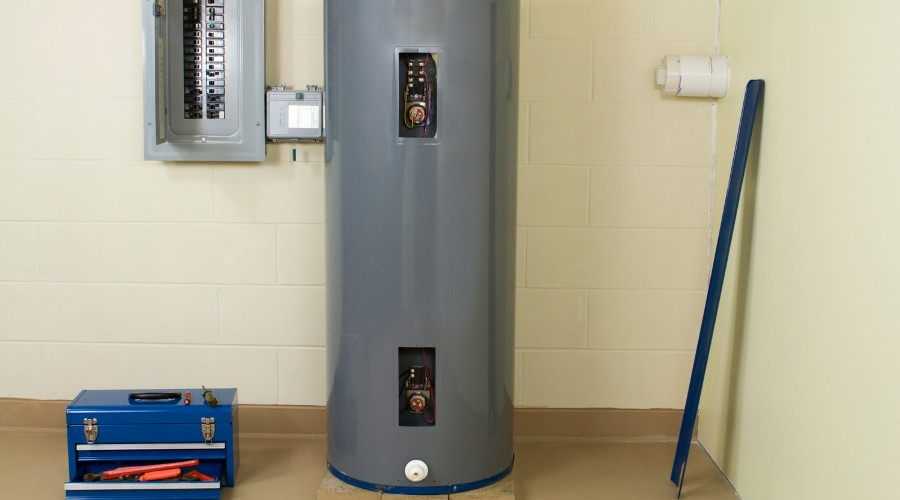
Don't Get Stuck Without Hot Water This Winter
Hot showers, clean dishes, and fresh laundry all depend on a reliable water heater. As tanks age or develop problems, they usually send out warning signs long before they stop working altogether. Recognizing those signals early makes it easier to plan a water heater replacement rather than face an emergency loss of hot water. This guide covers the most common indicators that a water heater is nearing the end of its service life.
Temperature Issues
Changing water temperatures are often the first clue that something is wrong. A healthy system keeps water heating consistent, delivering steady hot water whenever a tap is opened. When temperatures begin to fluctuate—scalding one moment and lukewarm the next—the thermostat, burner, or heating elements may be failing.
A complete lack of hot water is an even clearer sign. If the pilot will not stay lit on a gas unit, or if an electric model trips breakers or repeatedly shuts down, internal components could be nearing failure. Another frequent problem is running out of hot water much faster than in the past. Sediment buildup in the tank can reduce effective capacity, causing showers to turn cold sooner and prolonging recovery times.
While some temperature problems can be corrected with basic repairs or flushing, repeated issues often indicate that the system is simply worn out. At that point, investing in a new water heater installation is usually more practical than continuing to repair an unreliable tank.
Leaks or Corrosion
 Visible leakage is a serious warning sign. A leaking water heater with moisture on the outer shell, slow drips from fittings, or pooling water around the base can lead to flooring and wall damage in a short time. Although minor leaks at valves or connections are sometimes fixable, a water heater leak originating from the tank itself is typically caused by internal water heater corrosion and cannot be permanently repaired.
Corrosion often reveals itself before a major leak occurs. Rust-colored or cloudy hot water, metallic-smelling water, or visible rust streaks on the exterior of the tank all suggest a corroded water heater. Once the protective anode rod is used up, the steel tank becomes vulnerable, and the risk of sudden rupture increases. When corrosion is evident, replacement is the safest and most cost-effective option, preventing both water damage and potential contamination of household water.
Old Age or Frequent Repairs
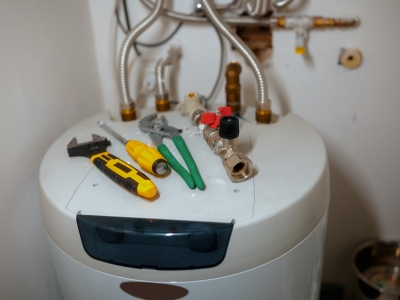 Traditional tank-style water heaters have a limited lifespan. Units more than 10 years old are far more likely to experience problems with water heating, efficiency, and reliability. When an older heater begins to show symptoms such as odd noises, cloudy water, or temperature swings, it is often nearing the end of its useful life.
Frequent repairs are another clear indicator. If the system requires service every year or two for new issues—thermostats one season, valves the next, then igniters or elements—the combined repair costs can quickly approach the price of a new unit. Continued patching can also leave the household vulnerable to unexpected breakdowns at inconvenient times.
Choosing a timely water heater replacement in these situations can reduce long-term expenses, improve efficiency, and provide a fresh warranty for peace of mind. A modern water heater tailored to the home’s needs delivers more dependable hot water and can help manage utility costs more effectively.
About Marc Francis Plumbing
Marc Francis Plumbing offers expert plumbing services to the communities of Johnson City and the surrounding areas. With on-time arrivals from their helpful, knowledgeable technicians, customer satisfaction is guaranteed. Call them today for water heater services in Johnson City, TN.