What to Know About a Furnace Overheating
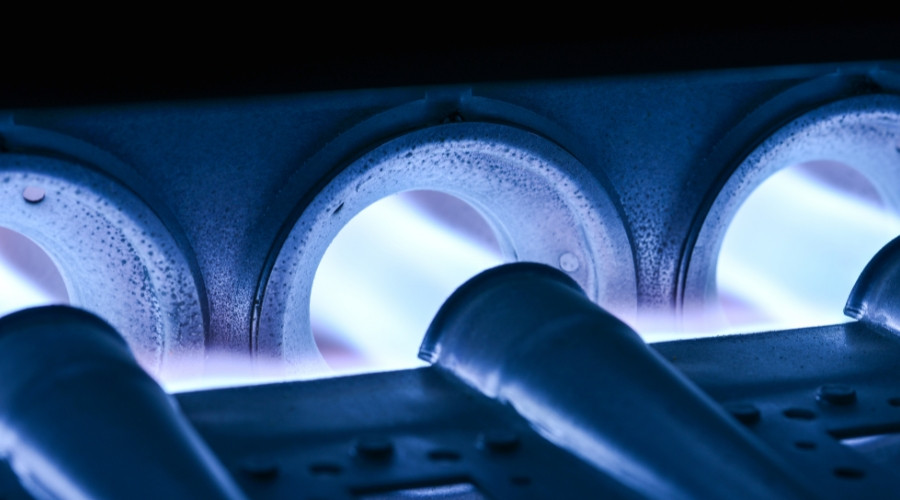
A furnace is built to produce heat, but when temperatures inside the cabinet climb too high, that heat can start working against the system instead of for it. Furnace overheating can damage components, waste energy, and threaten safety. Knowing how to spot an overheating furnace and how to prevent problems in the first place helps keep winter comfort steady and stress-free.
Risks of an Overheating Furnace
When internal temperatures exceed design limits, several issues can arise.
- Equipment damage: Excess heat can warp the heat exchanger, damage wiring insulation, and overwork the blower motor. Over time, these stresses often lead to expensive furnace repair and can force early furnace replacement if critical parts fail.
- Fire hazards: Materials inside and around the cabinet may reach unsafe temperatures. If clutter, cardboard, or fabrics are stored nearby, the chance of a fire increases, especially during long heating cycles.
- Carbon monoxide concerns: A cracked or weakened heat exchanger can allow combustion gases to mix with indoor air. Because carbon monoxide is colorless and odorless, leaks may go unnoticed without detectors. Long-term exposure increases the risk of carbon monoxide poisoning, underscoring the importance of never ignoring chronic overheating.
A furnace that overheats regularly should always be evaluated by a qualified professional to determine the cause and restore safe operation.
Signs of an Overheating Furnace
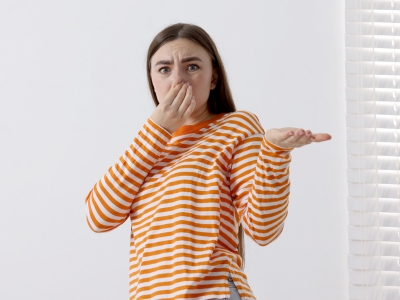 An overheating furnace usually gives off clues before a complete breakdown. Common warning signs include:
- Persistent burning smell: A brief odor at first startup in the fall is normal as dust burns off, but a hot, “electrical” or scorched smell that returns every time the system runs suggests parts are overheating.
- New or louder noises: A furnace that begins humming loudly, buzzing, or producing sharp banging or clanging sounds may be straining against restricted airflow or dealing with expanding and contracting metal components.
- Short cycling: Instead of running full heating cycles, the unit may start, run for a short period, then shut down before the thermostat setting is reached. High-temperature limit switches often trigger these sudden stops to protect the system from furnace overheating.
Any combination of these symptoms deserves prompt attention before more serious damage occurs.
Ways to Prevent a Furnace From Overheating
 Preventive care goes a long way toward avoiding overheating. Two steps are especially important.
First, keep the airflow healthy. A dirty or overly restrictive furnace filter blocks air movement, trapping heat near the heat exchanger. Regular furnace filter replacement—often every one to three months, depending on conditions and filter type—helps keep air flowing smoothly. Choosing a filter with the correct rating for the system matters as much as changing it on schedule.
Second, schedule consistent furnace maintenance. During a tune-up, a technician can:
- Clean burners, blower components, and internal compartments
- Inspect the heat exchanger for cracks or hot spots
- Measure temperature rise and confirm it is within a safe range
- Check safety switches, wiring, and venting
These tasks reduce strain on the furnace, improve efficiency, and catch developing problems before they lead to overheating or failure during peak heating season. Keeping storage items away from the cabinet further reduces fire risk and allows better ventilation around the unit.
About Manny's Quality Plumbing Heating & Air
Manny's Quality Plumbing Heating & Air offers comprehensive, high-quality plumbing and HVAC services to the Greeley area and surrounding communities. Their trusted technicians provide friendly service backed by a commitment to integrity. Call today to schedule furnace repair services in Greeley, CO.