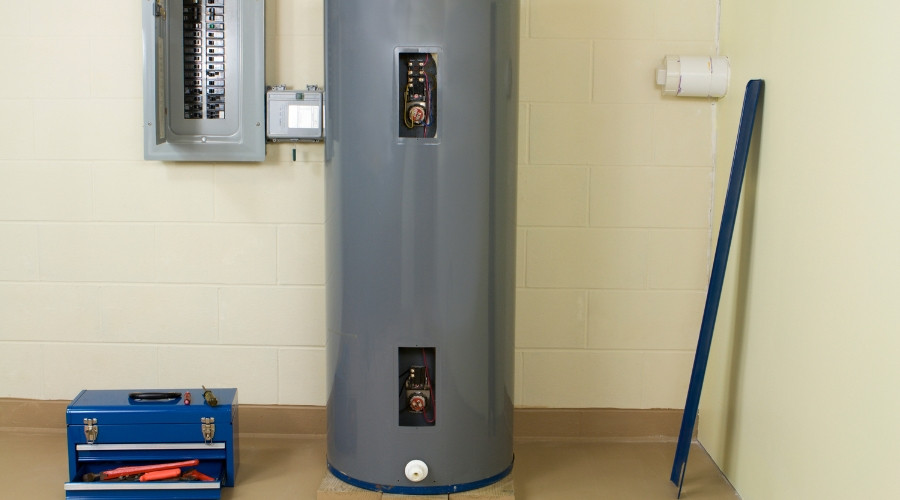
Don't Get Stuck Without Hot Water This Winter
Hot water is central to daily life, from morning showers to cleaning dishes at night. When a water heater starts to fail, small warning signs often appear long before it stops working altogether. Catching those signals early makes planning a water heater replacement far less stressful. This guide highlights three major areas to watch: temperature problems, visible leaks or corrosion, and issues tied to age or repeated repairs.
Temperature Issues
Changing water temperatures are often one of the first signs that a water heater is in trouble. If taps produce water that swings between hot and lukewarm without adjustment, the thermostat, heating elements, or burner may no longer be performing correctly.
A complete loss of hot water is an even clearer signal. When a tank has power or gas but only delivers cold water, internal components could have failed. In other cases, hot water may still be available but runs out much faster than in the past. Sediment buildup in the tank can reduce effective capacity and slow recovery times, leaving showers unexpectedly cold or making it difficult to run multiple hot water tasks in a row.
While certain temperature issues can sometimes be resolved with targeted repairs or tank flushing, frequent or worsening problems often indicate the system is nearing the end of its service life. At that stage, installing a new water heater generally makes more sense than continuing to repair an unreliable unit.
Leaks or Corrosion
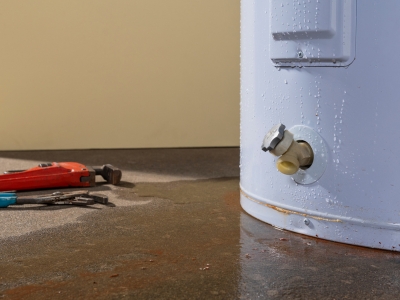 Water and steel do not mix well over long periods. As tanks age, water heater corrosion begins to attack metal surfaces, both inside and out. Signs of a corroded water heater include rusty or discolored hot water, metallic smells, or visible rust streaks on the outside of the tank. These clues suggest that protective parts, such as the anode rod, have been exhausted, and the tank wall itself is starting to fail.
A leaking water heater is an even more urgent concern. A small water heater leak near fittings or valves may occasionally be fixable, but pooled water around the base or steady dripping from the body of the tank usually means the steel shell has been compromised. Because leaks are commonly caused by advanced water heater corrosion, a visibly leaking tank is rarely a candidate for lasting repair. In that situation, water heater replacement is the safest option to prevent water damage to floors, walls, and stored belongings.
Old Age or Frequent Repairs
 Traditional storage water heaters do not last forever. Once a tank-style unit passes the ten-year mark, it is statistically more likely to experience issues with efficiency, noise, or reliability. When an older heater begins showing symptoms such as temperature instability, cloudy or rusty water, or minor leaks, it is often approaching the end of its useful life.
Frequent repairs are another strong indicator. If the same water heater requires service every year or two for different failures—thermostats, elements, valves, or pilot problems—the total cost of keeping it running can climb quickly. Combining ongoing repair expenses with higher energy use from an aging, less efficient tank often reveals that replacement is more cost-effective over the next several years. A modern, properly sized water heater offers renewed reliability, better performance, and a fresh warranty for peace of mind.
About Patriot Plumbing Service
Patriot Plumbing Service provides comprehensive, highly rated plumbing services to the communities of Ormond Beach and the surrounding areas. Their expert, same-day service is backed by trusted technicians and honest options and pricing. Call them today for water heater replacement in Ormond Beach, FL.