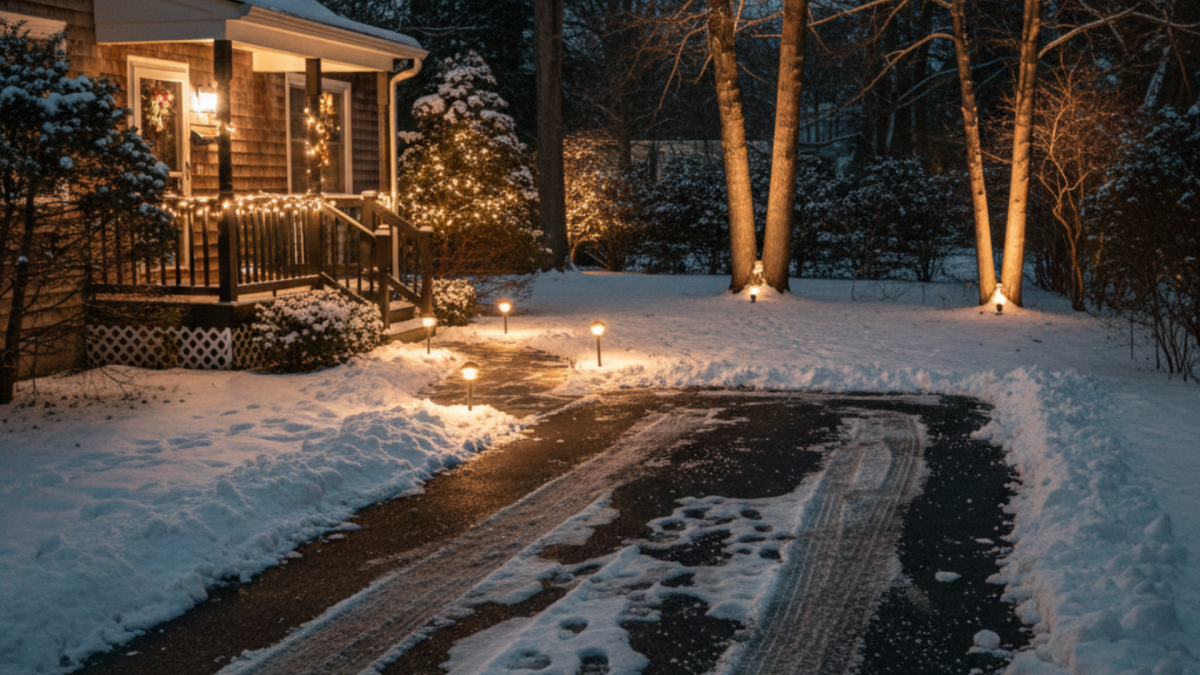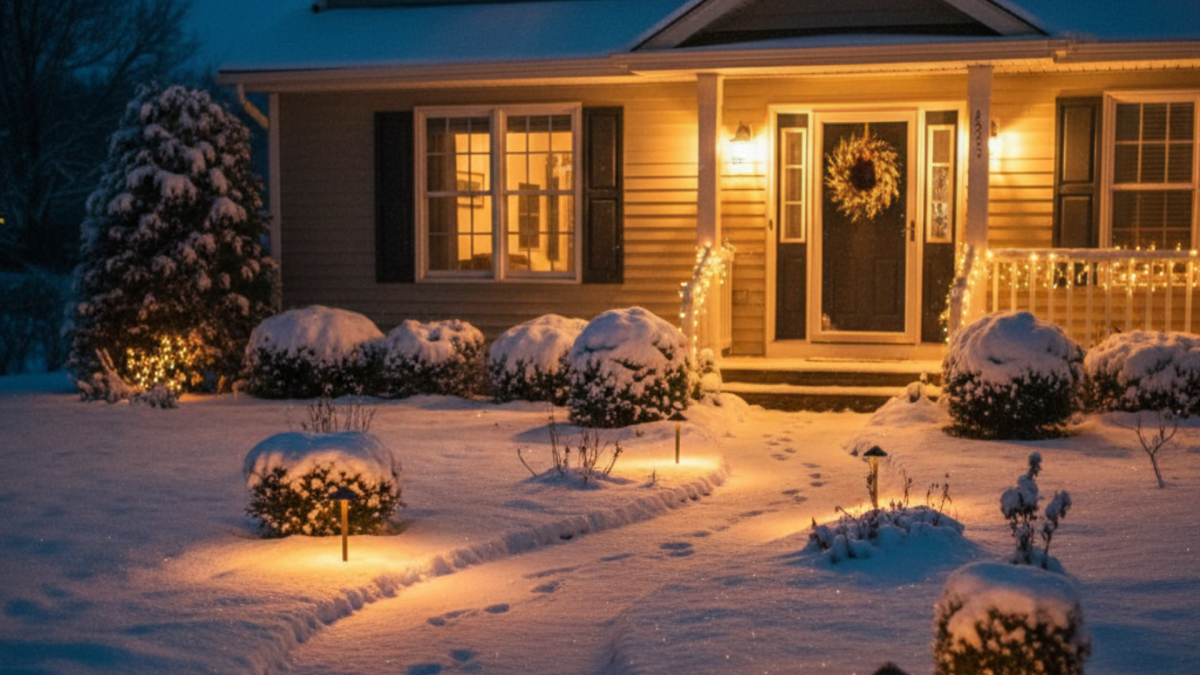
Winter darkness arrives early and stays late across Tinton Falls and central New Jersey. Days become shorter, and properties sit in shadow for most of the evening hours. Many homeowners accept dim yards as inevitable. Understanding how to plan outdoor lighting during winter can change this reality and transform properties into safe, inviting spaces.
Strategic outdoor lighting serves multiple purposes. Safety improves when pathways, steps, and driveways remain visible. Security increases as dark corners and shadowy areas become illuminated. Entertaining extends into evening hours when homeowners can gather outside despite early darkness. Curb appeal increases when homes are well-lit at night. Winter preparation for outdoor spaces includes considering how lighting enhances both safety and functionality.
Why Winter Darkness Reveals Outdoor Lighting Needs
Winter darkness exposes problems that extend daylight hours typically hide. In summer, extended daylight makes poorly lit yards seem acceptable. In winter, dark corners become obvious issues. Unlit driveways create dangerous conditions. Walkways without lighting become tripping hazards. Entryways shrouded in darkness feel unwelcoming and unsafe.
This seasonal shift offers opportunity for assessment. Rather than waiting until spring, Tinton Falls homeowners can evaluate outdoor lighting needs now. Winter conditions make it easier to identify where lighting matters most. A poorly lit driveway is obvious in December. Dark patios become apparent when homeowners look outside at five o'clock in the evening.
Beyond immediate safety concerns, winter lighting affects quality of life. Extended darkness influences mood and creates feelings of isolation. Proper outdoor lighting brightens evenings, extends outdoor enjoyment, and maintains connection to property and surroundings. Families can gather outside for holiday celebrations without darkness forcing retreat indoors. Evening walks around properties become safer and more enjoyable.
Tinton Falls properties with young children benefit from improved outdoor lighting. Children need visible, well-lit play areas. Parents need clear sight lines across entire yards to monitor outdoor activities. Proper lighting creates conditions where outdoor time remains safe and enjoyable regardless of darkness.
Types of Outdoor Lighting Systems
Residential outdoor lighting goes far beyond simple floodlights. Modern lighting design considers multiple factors including safety, aesthetics, energy efficiency, and property-specific needs. Different property areas require different lighting approaches.
Pathway lighting serves both functional and decorative purposes. Lit walkways guide residents and guests safely while adding subtle beauty. These lights work as warm, welcoming accents or bright, functional fixtures depending on intended use.
Accent lighting highlights landscape features, architectural details, and plantings. A well-lit tree becomes a focal point. Architectural elements gain visual prominence. Landscape features create visual interest when properly illuminated.
Security lighting focuses on entries, corners, and vulnerable areas. Bright lights deter unwanted activity and improve visibility for residents entering or leaving properties. Motion-activated lighting provides efficiency by operating only when needed.
Ambient lighting creates overall brightness for entertaining or general use. Deck lighting, patio lighting, and pergola lighting enable outdoor gathering during evening hours. These fixtures transform outdoor spaces into functional extensions of homes.
Landscape lighting techniques include uplighting, downlighting, and cross-lighting, each creating different effects and serving different purposes. Professional designers understand these techniques and apply them strategically to enhance property characteristics.
Planning Outdoor Lighting for Winter and Beyond
Outdoor lighting design requires understanding how different fixtures interact, how light spreads across properties, and how installations integrate with existing landscapes. Poorly planned lighting creates harsh shadows, washes out architectural details, or leaves dark corners unaddressed. Well-designed lighting enhances properties while serving clear functional purposes.
Professional landscape contractors bring expertise in understanding these factors and applying them effectively to residential properties. Equipment quality affects reliability and longevity. Professional installation ensures systems operate safely and efficiently over time. Integration with existing plantings, hardscaping, and architectural features creates natural, intentional results rather than hastily added appearances.
The installation process respects existing landscape features while adding new dimension to properties. Results feel integrated with overall property design.
Understanding Outdoor Lighting Systems
Homeowners benefit from understanding their outdoor lighting systems and operation. Clear explanations of design choices, control demonstrations, and confidence in system use improve overall satisfaction. Outdoor lighting represents an investment in property safety, beauty, and functionality. Results should match homeowner expectations and enhance property use throughout the year.
Communication and reliability guide successful outdoor lighting projects across residential properties in Tinton Falls and central New Jersey.
Taking Action Before Spring
Winter will not last long. As spring approaches, contractor schedules fill quickly and planning windows close. Addressing outdoor lighting needs now prevents last-minute scrambles and ensures thoughtful design rather than rushed installation. Homeowners who install outdoor lighting now enjoy benefits throughout the rest of winter and into spring. Spring projects can then integrate with existing lighting rather than adding it as an afterthought.
Tinton Falls homeowners ready to evaluate outdoor lighting options should contact Artistic Landscape Features. Call 609-798-2364 or visit alflandscape.com to discuss outdoor lighting for your property. See how professional lighting transforms residential properties. Winter darkness becomes an opportunity to create outdoor spaces that are safe, beautiful, and functional year-round.